
Two Galleries, two continents, No Plan
Since 1994Before Opera Gallery existed, its founder, Gilles Dyan, went to an art fair in Singapore. He saw a real opportunity there. The market for international art was strong, but old masters and modern art were still rare in the region.
Discover the Story
Gilles and his wife were French and lived in Paris. They decided that if Singapore made sense, Paris made sense too. Singapore’s gallery opened first. Paris opened the same year, just a few months later.
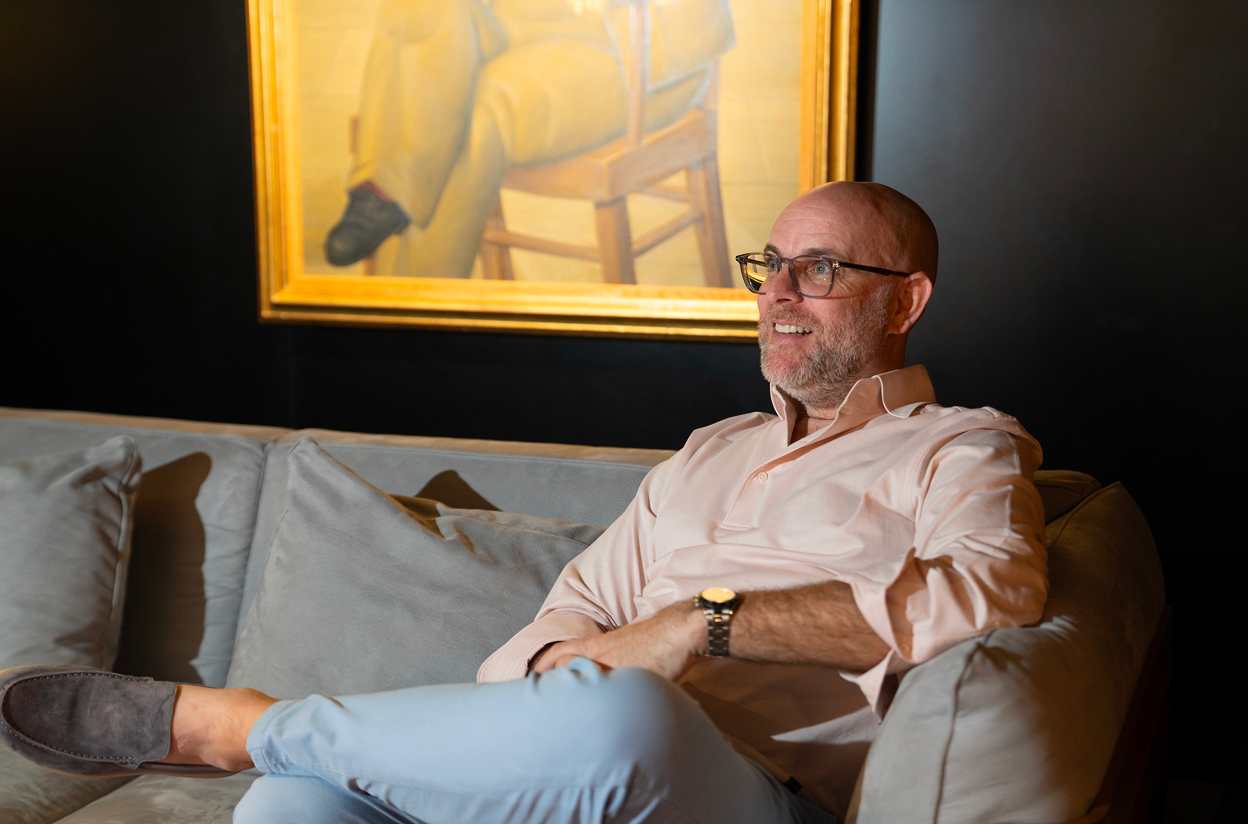
There was no real plan after that. “It’s been done in a very organic and very opportunistic way,” says Sylvain Gaillard, Director of Opera Gallery DIFC. “For a long time, there was no roadmap.”
Sylvain didn’t come from the art world. Before Opera Gallery, he spent more than ten years in private banking and wealth management, working in Switzerland, the US, the Middle East and Turkey. That background still shapes how he runs the gallery. Sylvain bought his first serious piece of art in his twenties, while working in wealth management with clients in Turkey. A lawyer he knew had a collection, and it caught his interest.
Today, Opera Gallery has 14 galleries and two offices around the world.
The rules for opening in a new city have stayed the same. Sylvain lists them: a real art scene, room to build a client base, a legal environment favorable to run a business, and a location that matches the rest of the network. “We want to be sure that when we open somewhere, it meets the standard of the rest of the network,” he says.
That’s also why some obvious cities get skipped. “People ask me a lot, why aren’t you in Los Angeles?” Sylvain says. “It’s not that we’re against it, we have clients in LA. But the real problem is: where in LA? There’s no single spot where you’d say, this is a no-brainer.” DIFC, in Dubai, was different. It was obvious.
Key Insight
Opera Gallery Group has 14 galleries and two offices worldwide. Works range from about $5,000 to several million dollars. First-time buyers usually spend around $15,000 to $20,000.
Arriving Before the Mall Existed
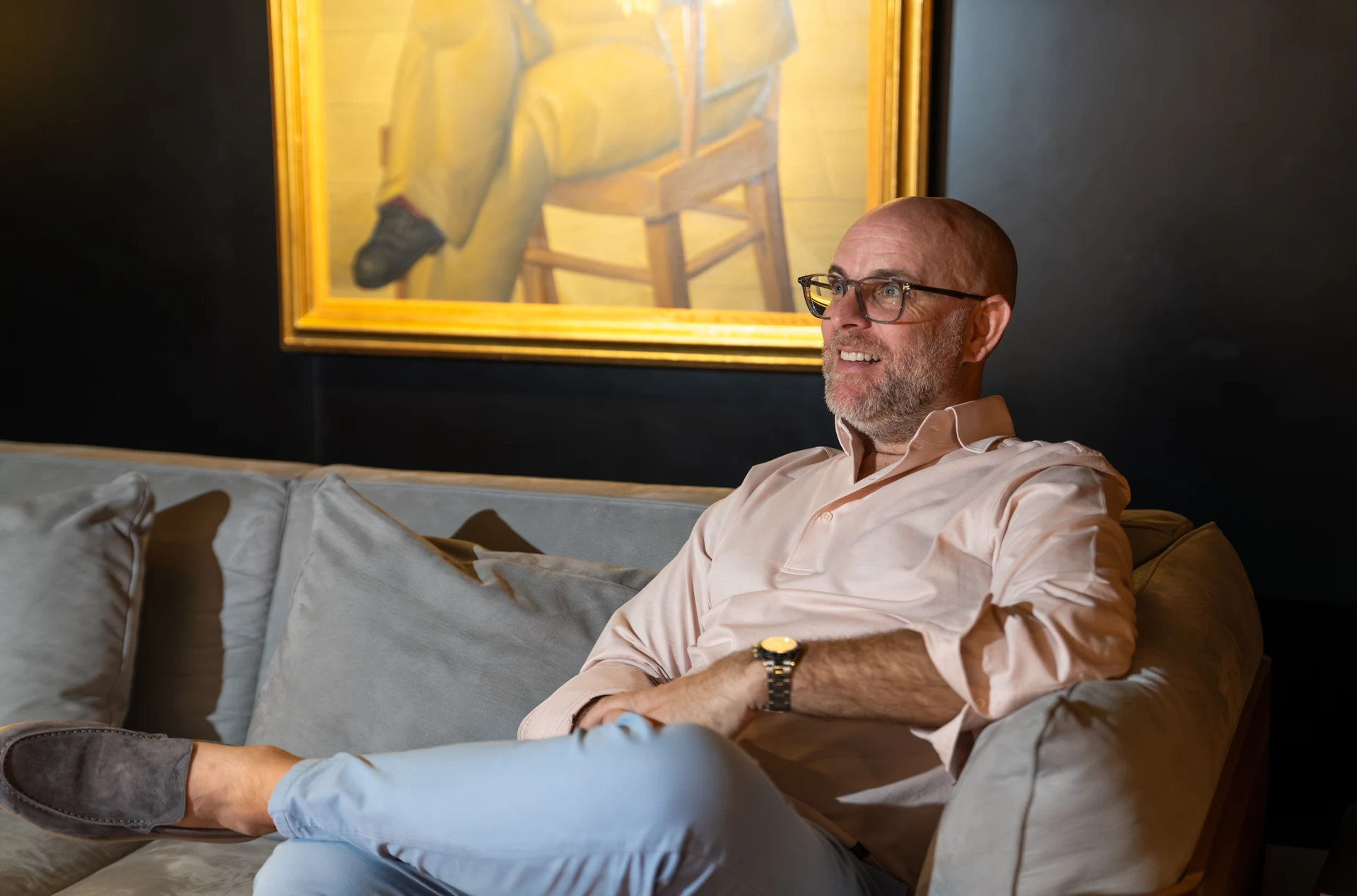
DIFC Since 2008Opera Gallery’s Dubai gallery opened in 2008, inside DIFC. Dubai looked very different then. Dubai Mall didn’t exist yet. DIFC’s art scene was still new.
Discover the Beginning
Several galleries from that early scene have since closed. Some owners retired with no one to take over. Others moved to Alserkal Avenue, which grew into Dubai’s second art hub. Custot, The Third Line, and Carbon 12 amongst others are there today.
Opera Gallery stayed in DIFC. “We have to remember that we’d also opened at Dubai Mall historically,” Sylvain says. “We had DIFC and Dubai Mall at the same time, for about three years.” The Dubai Mall gallery didn’t last. DIFC did. “We decided to focus on DIFC, which historically is our home.”
Foot Traffic Isn’t the Right Traffic
Two False StartsDIFC wasn’t the only Dubai address Opera Gallery tried. A Dubai Mall gallery ran for about three years. It closed roughly a year before Sylvain joined in 2014.
Discover the Lesson
The reason was simple: wrong audience. “It wasn’t the right traffic. It wasn’t the right public,” Sylvain says. “You’re in a purely retail environment. That was very hard.”
Years later, the gallery tried again, this time inside Atlantis The Royal. The hotel had approached Opera Gallery about two years before it opened. They wanted art inside a retail and hospitality project, and had shortlisted a few galleries.
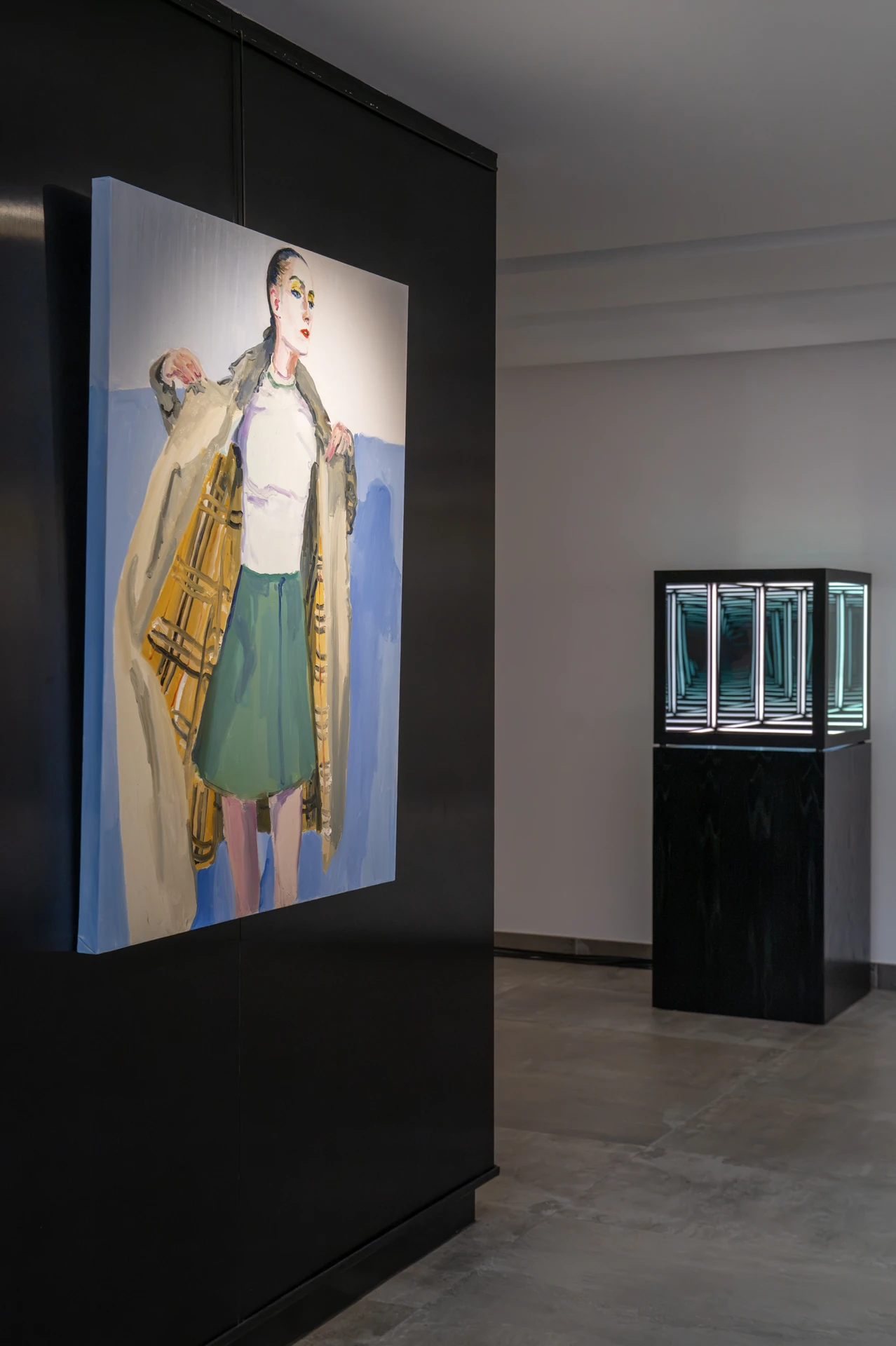
Sylvain is honest about how these deals work. Signing on to a place that doesn’t exist yet means signing on promises, not proof. But the terms were good, made to attract galleries and other retailers willing to take the risk. Opera Gallery became the hotel’s only art gallery and placed sculptures throughout, including large pieces by Manolo Valdez, Rotraut and an Anthony James cube facing the hotel’s Louis Vuitton store.
The lease ran its original three years and was not renewed by mutual agreement, Opera Gallery closing the space in 2025.
The space itself was small, about 80 square meters after fit-out. That’s far smaller than the gallery’s current 550-square-meter DIFC home. But size wasn’t the real problem. “The people who came to the hotel, we already knew a lot of them, because they were Dubai people,” Sylvain says. The lesson matched Dubai Mall’s: a busy location isn’t the same as a new audience.
Key Insight
A dedicated, exclusive gallery wasn’t enough to bring in new clients at either location. Both drew the same Dubai crowd the gallery already had, the one problem DIFC never had.
Fewer Works, Bigger Impact, Quieter Walls
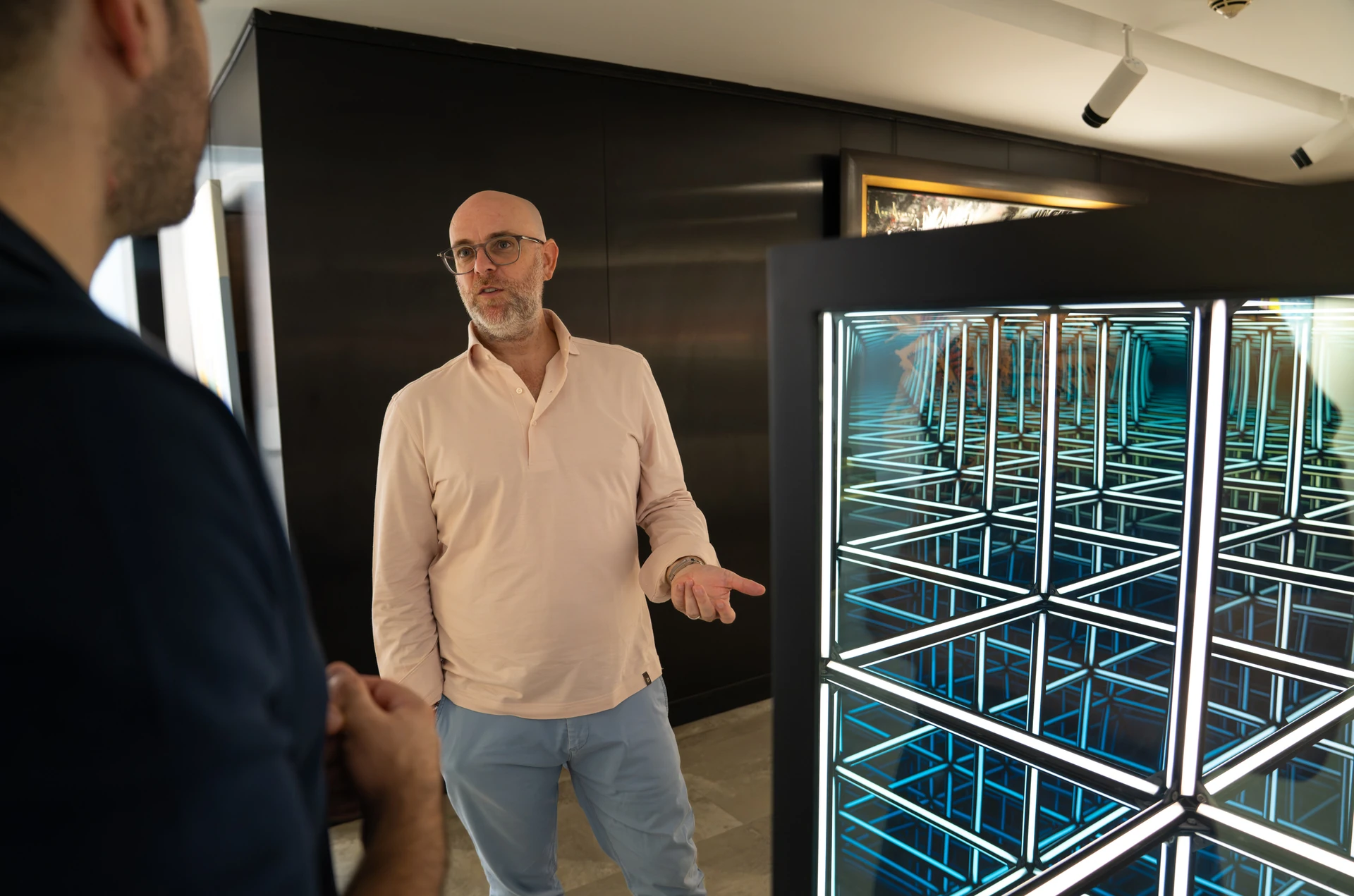
The EditWould someone who visited in 2014 recognize the gallery today? Partly. The space has been renovated, with an updated layout and more contemporary refurbishing. “We modernized the gallery,” Sylvain says.
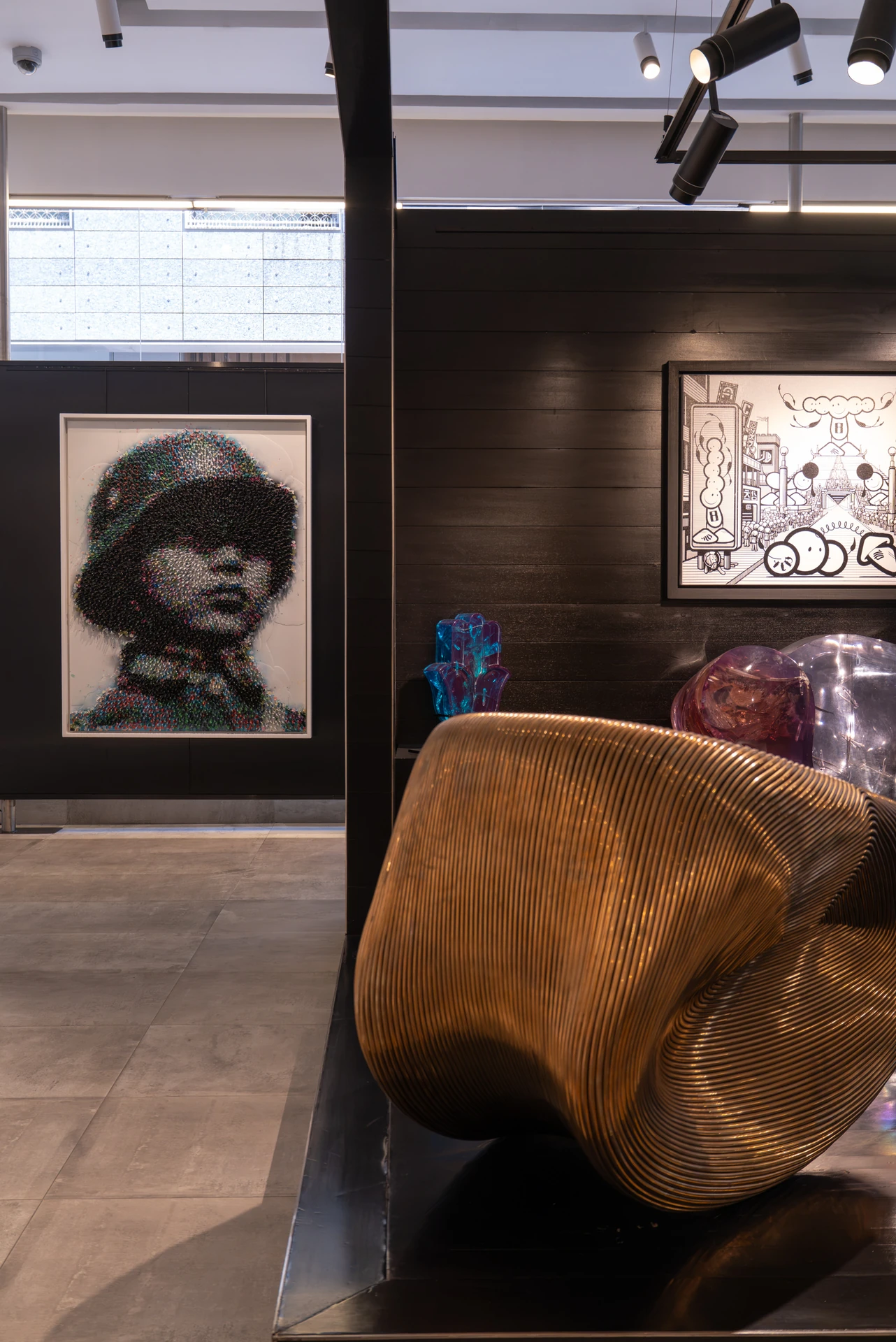
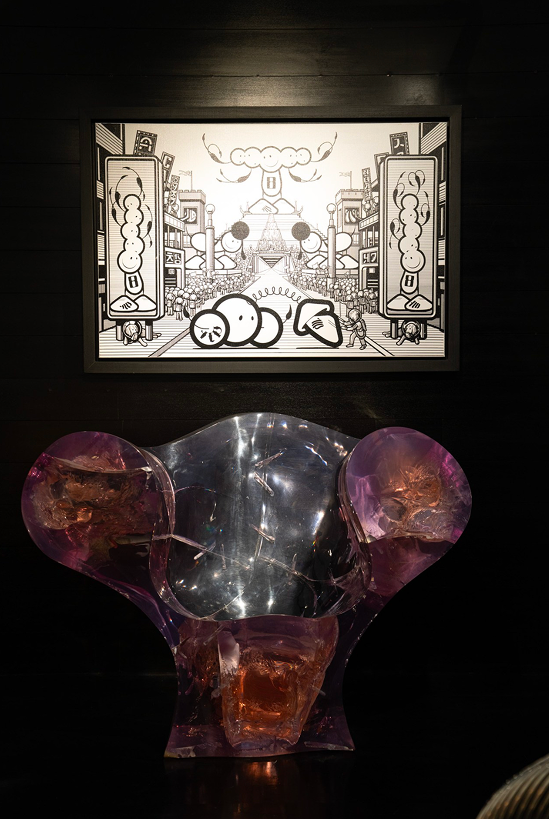
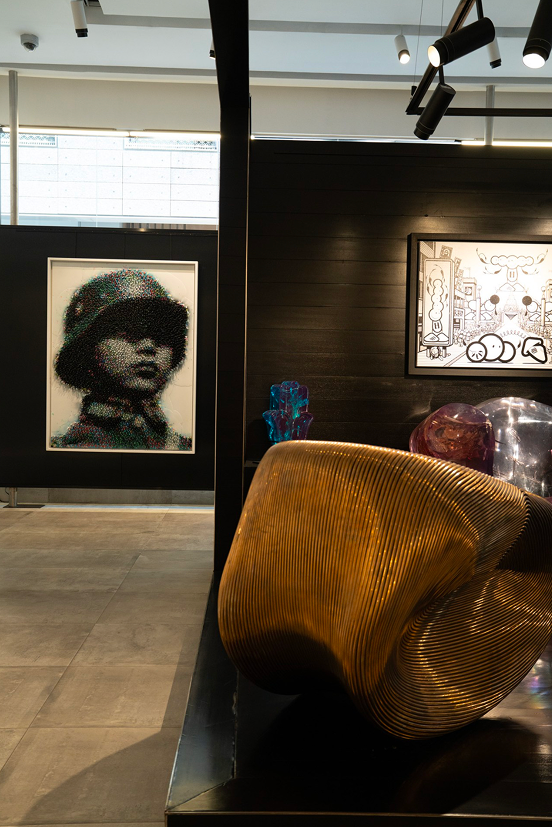
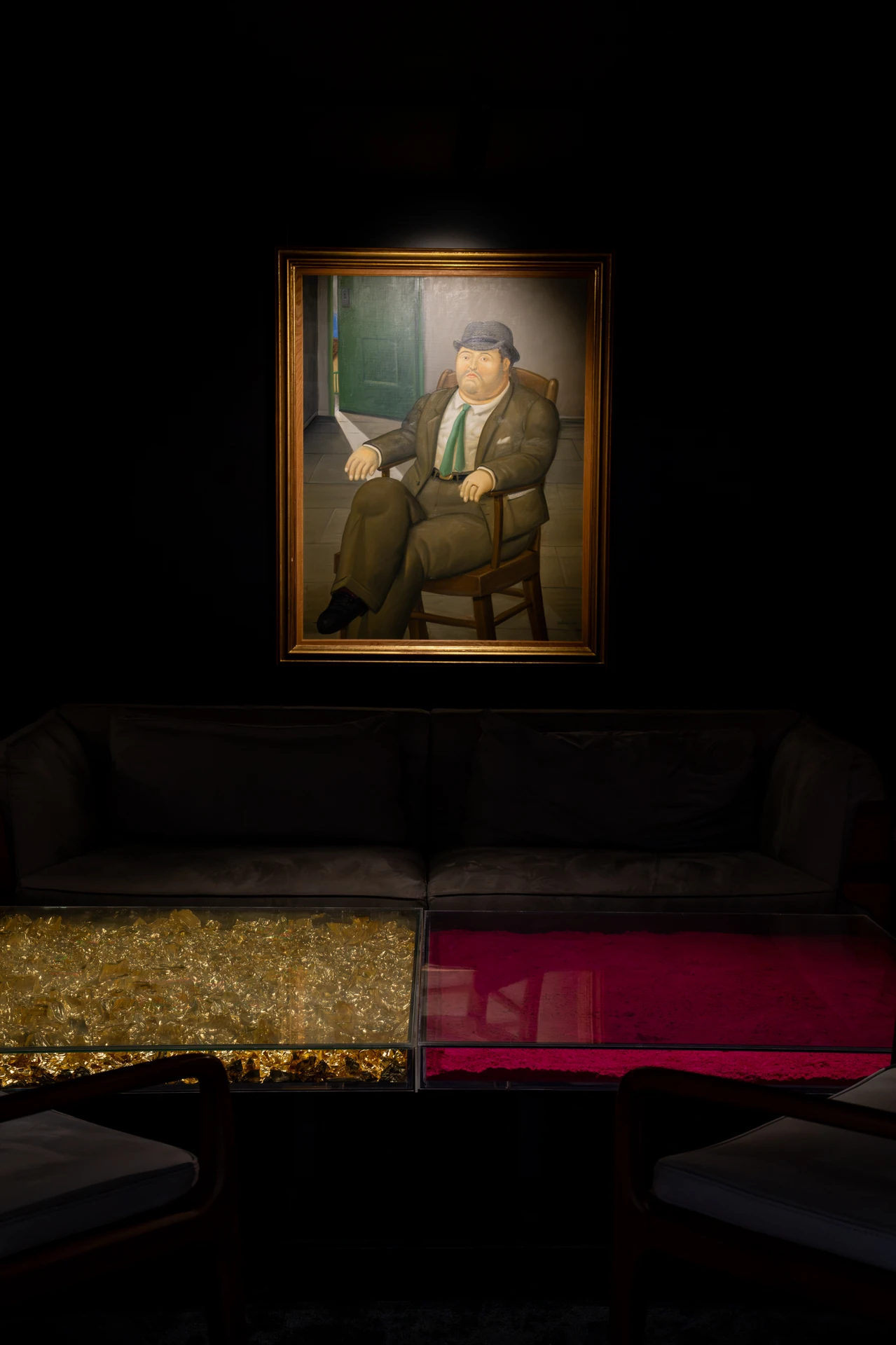
One thing stayed: the Black Room, a black-clad display area dedicated to Modern Masters, that is still part of the gallery today.
Discover the Evolution
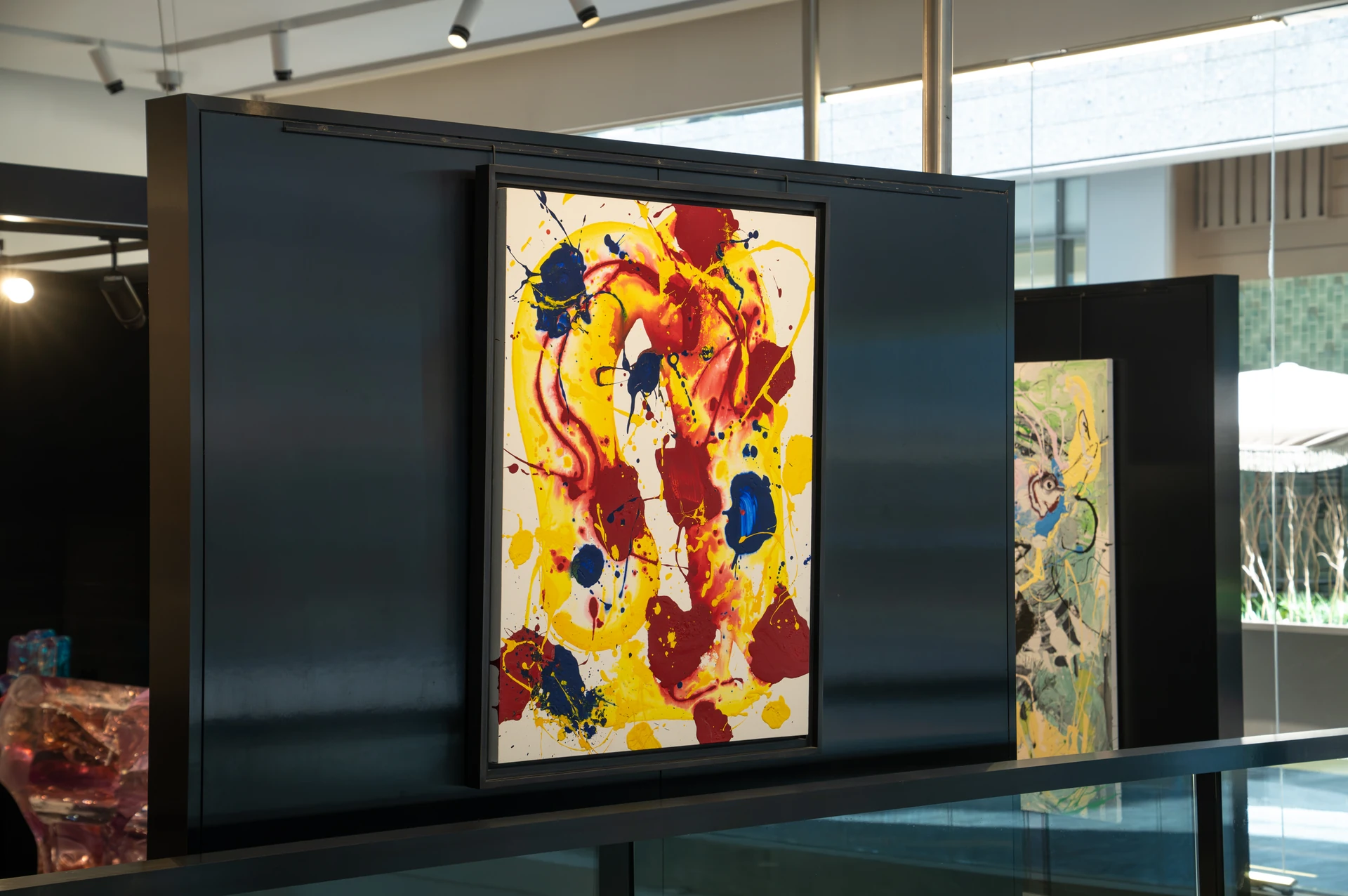
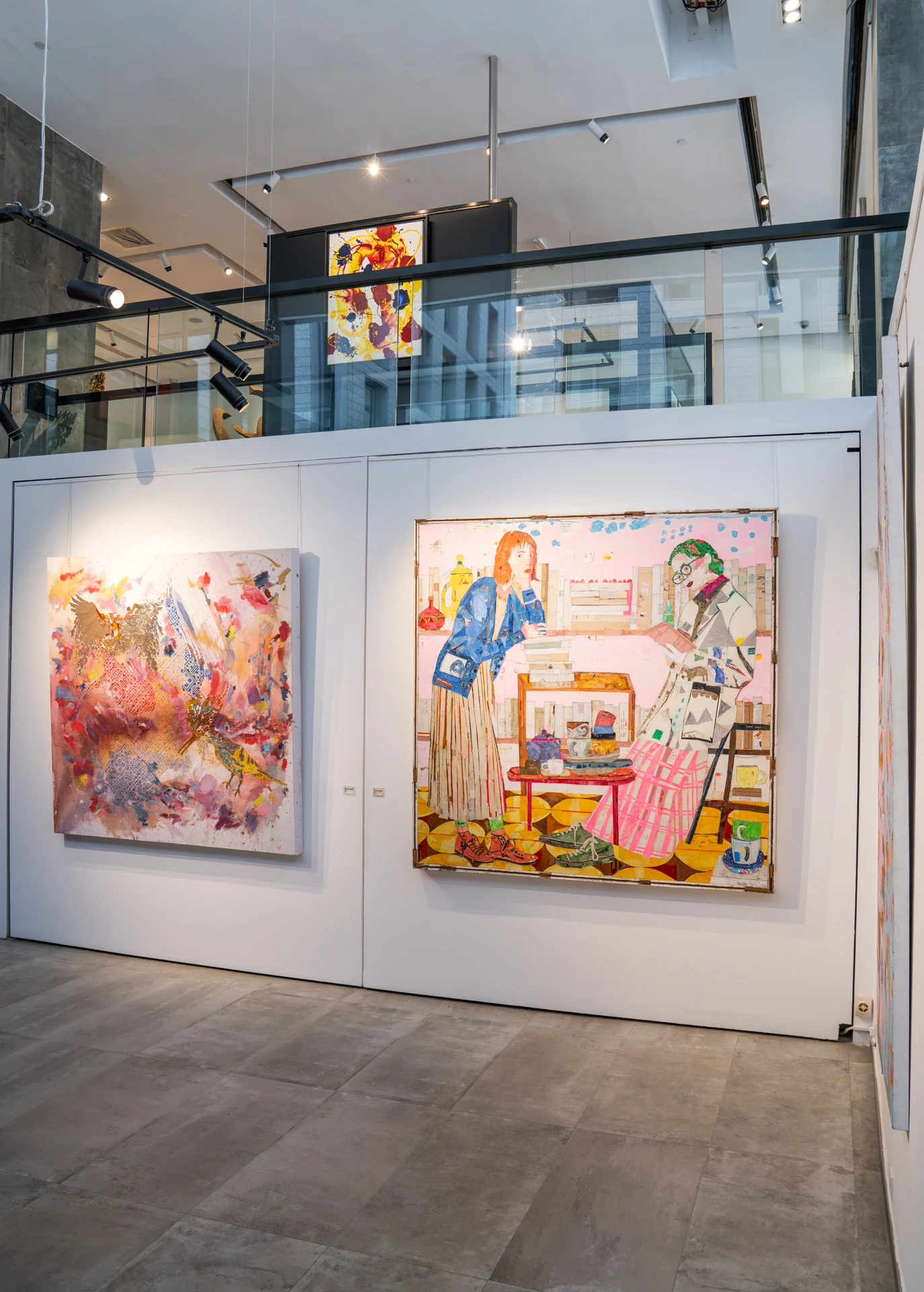
The bigger change is what’s on the walls. Opera Gallery Group has moved upmarket since 2014, and Dubai moved with it. The display style changed too. For years, the gallery hung a lot of work close together. Over time, that gave way to fewer pieces, chosen for impact, with more room around each one. “We learned, over the years, to really refine the displays,” Sylvain says. “Fewer works, but much more impactful, and with much more room to to breath.”
There’s also a simple fact about the Dubai market: it has never sold the most “masters.” Those are the historically important, blue-chip works that sell best through Paris, London, and the group’s Asia locations. Dubai still keeps masters on the walls, though. “We have to have them in stock, because that’s the image of Opera Gallery, that’s who we are,” he says. They stay up for brand and press, even when a local sale is less likely.
Sylvain says this isn’t just a Dubai thing, it’s happening across the whole market: buyers now cluster around either very established names or truly new artists. The mid-range, artists priced around $50,000 to $100,000 with some track record but no long-term guarantee, has thinned out since a stronger period around 2008.
Part of that shift, he says, comes from data. Twenty years ago there was no ArtPrice, no ArtNet. Now there’s enough sales data to track an artist’s price over time. That makes the market more open, and makes buyers more comfortable backing names with a proven resale record.
“Historically, Dubai has never been the gallery that sells the most masters, because the market isn’t as mature yet as Paris or London.”
– Sylvain Gaillard
Three Ways to Sell a Painting
The Business ModelAsked to explain the business model, Sylvain breaks it into three parts.
Discover the Business Model
The first is primary-market sales: work straight from the artist’s studio, shown for the first time. The second is closer to trading: buying work that’s already in circulation, from collectors, auction houses, or estates, then reselling it for a margin. “We buy when we identify potential arbitrage,” he says. The third is brokerage: acting as a go-between when a dealer has a piece a known client wants. The gallery usually gets a set amount of time where only they can sell it, and earns a commission if it does.
None of the three looks like selling a standard product, and that’s the point. “We don’t sell any standard product,” Sylvain says. Every artist needs an exhibition, a catalogue, a story. Nothing about it scales like retail.
That’s also his answer to why a gallery takes a cut at all. Historically, primary-market profit has split close to 50/50 between galleries and artists. In return, the gallery shows the work, tells its story, makes catalogues, shoots high-resolution photos, handles transport and logistics, runs promotion, and pays for insurance. Those costs happen whether or not a piece sells.
That matters even more at Opera Gallery’s size. The group runs 14 galleries and two offices, each with its own rent, equipment, staff, and insurance. “The business model of running a gallery is something that’s heavy in OPEX, and a strong initial CAPEX,” Sylvain says.
The gallery holds so much stock that it doesn’t count it piece by piece. Group-wide, stock runs into five figures, around 10,000 pieces, split between what’s on display, what’s in storage, and what moves between locations. In a normal year, a portion of on-hand stock sells. The rest waits in storage for the right client or the right moment.
Pieces arrive in Dubai for one of two reasons. The gallery asked for them, for a known client or a planned exhibition. Or an artist the group works with everywhere has made new work, and it gets sent out across the network without Dubai picking it first. Sylvain points to Pieter Obels as an example: when the artist finishes twenty new sculptures, the group dispatches them across its galleries, and Dubai might get two or three without ever having chosen them.
Key Insight
Primary-market profit splits close to 50/50 between gallery and artist, once catalogues, photography, transport, insurance, and promotion are paid for. Running the network costs money whether or not a given piece sells.
Working the DIFC Circuit
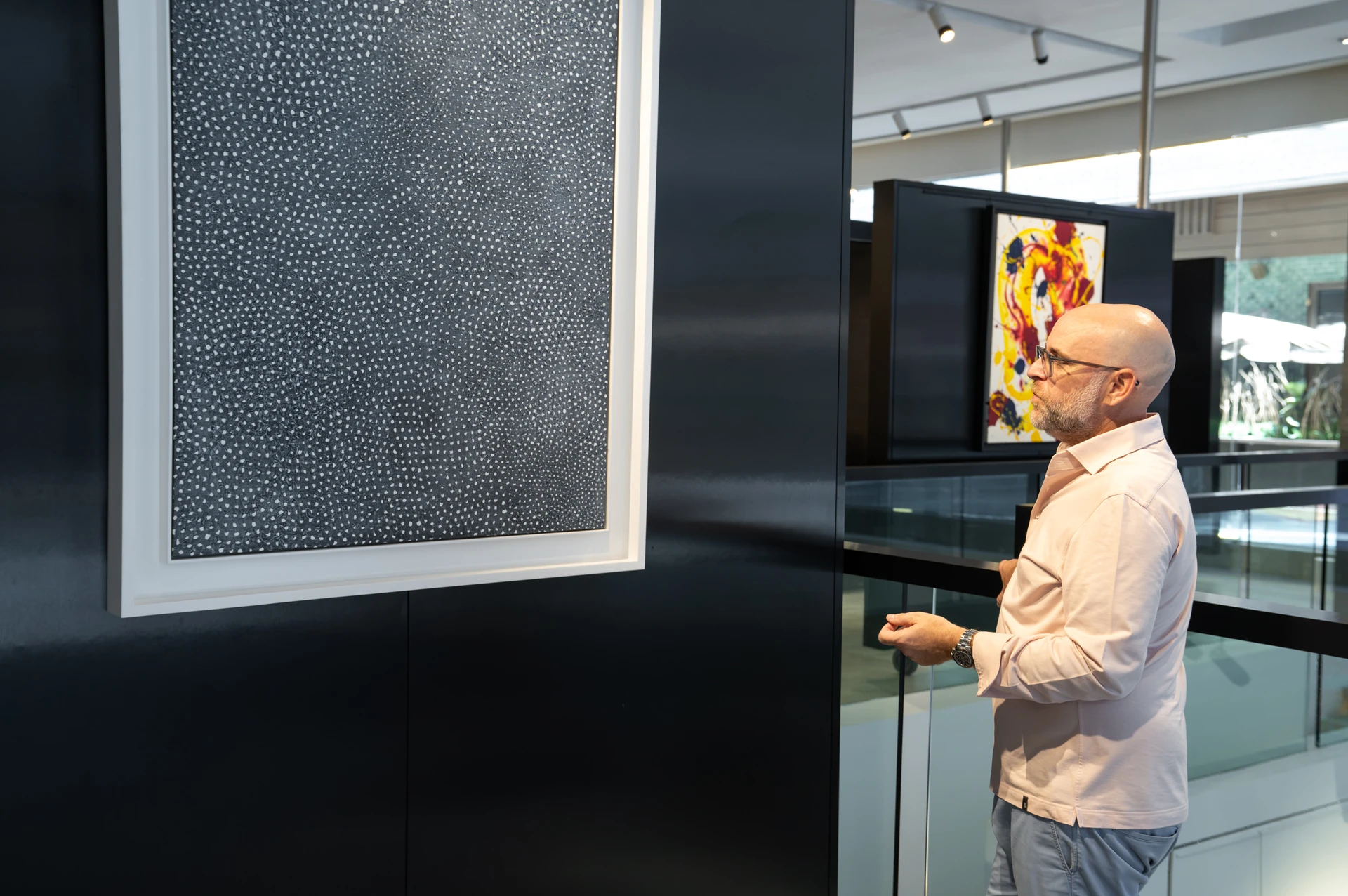
Healthy CompetitionOpera Gallery doesn’t operate alone in DIFC. The district’s galleries stay in close contact, mostly through a shared WhatsApp group.
Discover the Network
They use it to plan around each other, not against each other. “We try to line up our openings on the same dates,” Sylvain says. Tabari and Perrotin are part of the same group chat. The logic is simple: if several galleries open exhibitions the same week, more people come to DIFC at once. One visit covers more ground, instead of small trips spread across a month.
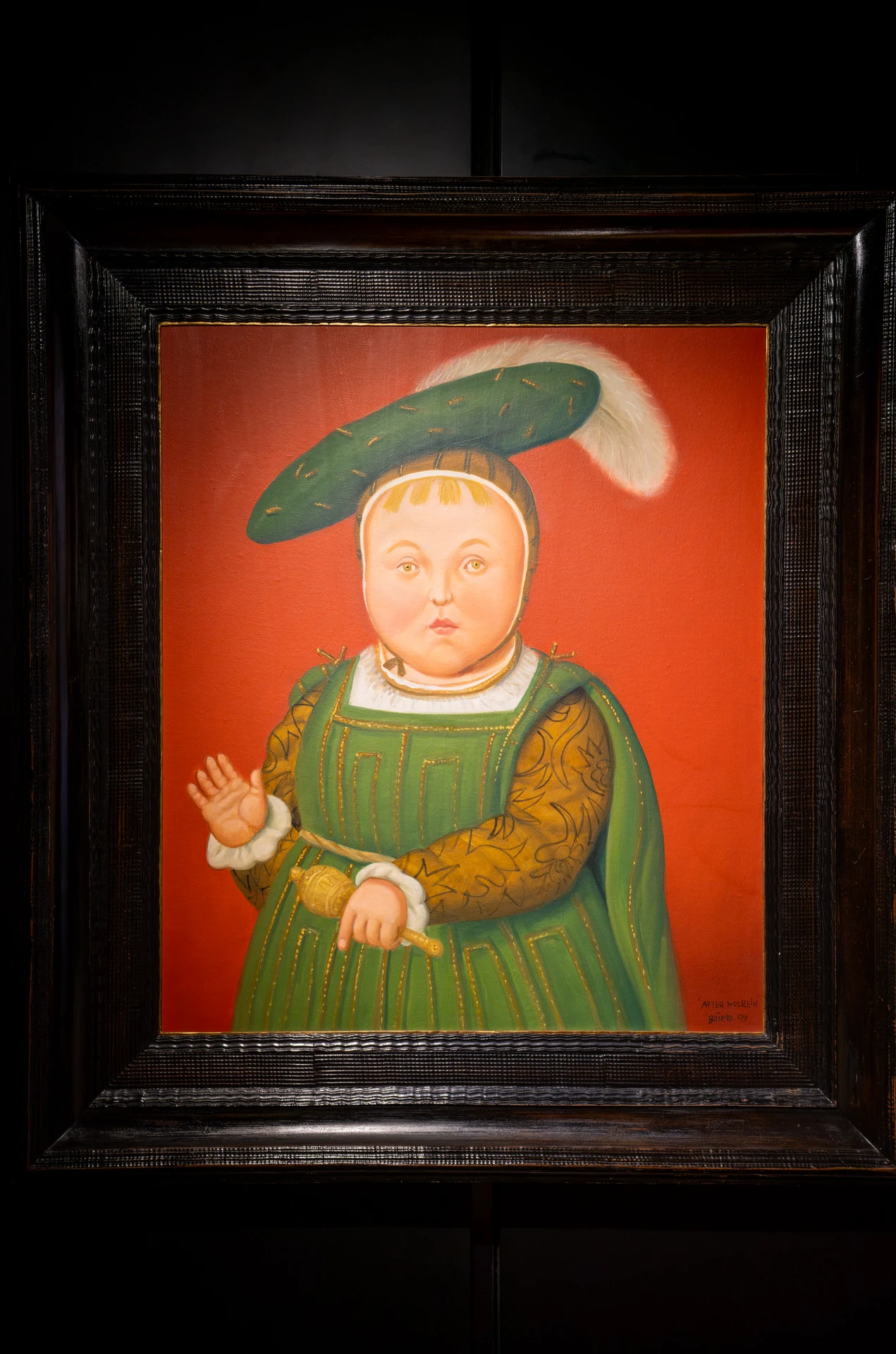
Loans between galleries are common too. If a gallery in New York is putting on a Botero exhibition and needs another piece, Opera Gallery can lend one from Dubai. The same happens in reverse. “Yes, we lend, of course,” he says.
Referrals work the same way. If a client wants something Opera Gallery doesn’t carry, but Sylvain knows another DIFC gallery specializes in it, he sends the client there. Other galleries do the same for him. “It happens a lot that other galleries call me,” he says. “They tell a client, I know Opera Gallery represents that artist, go see them.”
Sylvain calls it healthy competition. Every gallery in DIFC has its own clients and its own focus. But the district works better when the galleries act like one shared address, not a set of separate shops.
No Typical Client, and a Market That’s Mostly Men
Who’s Buying“That’s what’s interesting about the Dubai gallery,” he says. “I’d be incapable of defining what a client here looks like. I don’t have an average client, I really have clients across every buying style, every price level.” Royals make up about 10% of buyers. Local non-royal residents, UAE-based expats, and international visitors each make up roughly 30% of the rest. No single nationality leads. The gender split is about 80% men, 20% women.
Discover the Buyers
Client relationships vary too. Some stay purely professional, repeated over time but never personal. “The client wants to be well served and well advised by their gallerist and nothing more,” Sylvain says. Others grow into real friendships, well past the usual buyer-seller relationship.
The hardest clients aren’t the ones with strong opinions. They’re the ones who can’t clearly articulate what they want. No budget, no clear style preference, but a genuine wish to buy, against a stock of thousands. Budget talk is often the hard part. “We still have people who come into the gallery and say, ‘No, I don’t have a budget,’” Sylvain says. “So I tell them, okay, we have an unbelievable Picasso at 24 million. ‘Oh no, that’s too expensive.’ I say, you see, you do have a budget.” While extreme, it’s a good ice breaker and lends itself well to have a proper budget related conversation.
At the other extreme are clients who are too specific, chasing one artist, one period, one exact piece. Sylvain has noticed a pattern: the more exact the request, the less likely that client actually buys.
Logistics bring their own problems. Heavy sculpture sometimes needs a crane to install at a client’s home. In-home viewings, bringing three to five works to a client’s house to see how they look, are common, and often decide the sale. “It’s pretty simple after that,” Sylvain says. “Either the person already liked the piece and this confirms it, or they realize it isn’t right.”
Key Insight
Royals make up 10% of buyers. Local non-royals, expats, and international visitors each make up roughly 30% of the rest. No single nationality leads, and the buyer base is roughly 80% men, 20% women.
Breaking an Eighteen-Year Rule, Once
The Local ExceptionWhen Opera Gallery arrived in Dubai, other galleries already had a head start showing local artists. Opera Gallery’s identity was different: European, American, and a few Asian names. “The people who come to Opera Gallery aren’t here to discover local talent,” Sylvain says. “They come to buy a Picasso, they come to buy European, American or Asian contemporary art.” Rather than compete where others already had a head start and a legitimate expertise, Opera Gallery stayed in its lane.
Discover the Exception
That’s held for eighteen years. In October, the gallery breaks from it for the first time, so far the only time: a solo exhibition for one of the most important and best-known Emirati artists working today, Abdulqader Al Rais. Sylvain calls it a first on both sides, “a first for us, and a first for the artist”.
Sylvain has his own stake in this kind of collecting too. He and his wife have built a personal collection over the years, close to 80 pieces by now: prints, photos, sculptures, a mix of values. They’ve run out of room at home, so part of it lives in storage. He tracks it all in a spreadsheet he updates himself.
“Collectors become investors,” Sylvain says. “It’s rarely the other way around.” The great collections people admire at auction, he says, were mostly built over two or three generations by people who bought because they loved the work, not because they planned to sell. What shows up at a big estate sale is only the part that’s easy to sell. A lot of what any serious collector buys never comes back to market at all. The public only sees the winners.
– Merci, Sylvain.